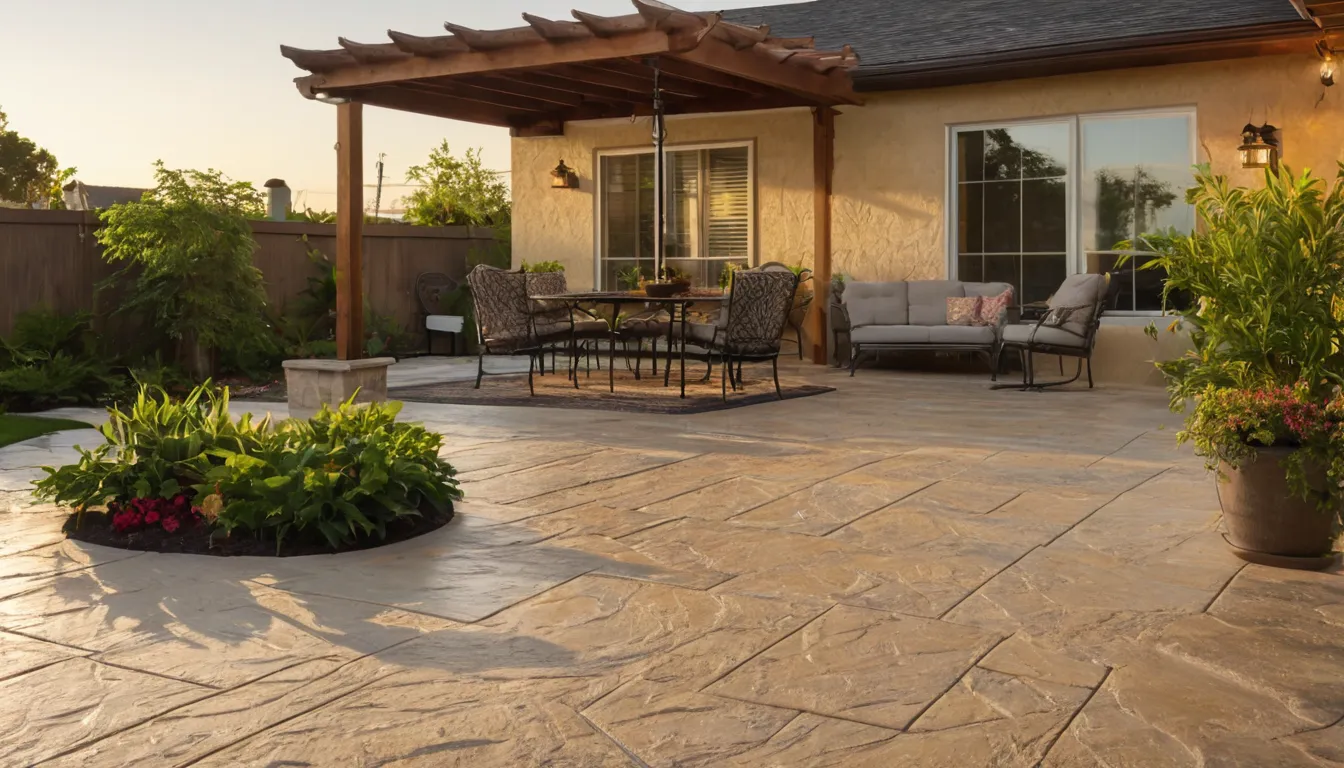
Need concrete driveways in Menifee?
Planning a new driveway or patio? Request a callback to check provider availability, or send a request and tell us about your project. No obligation.
No obligation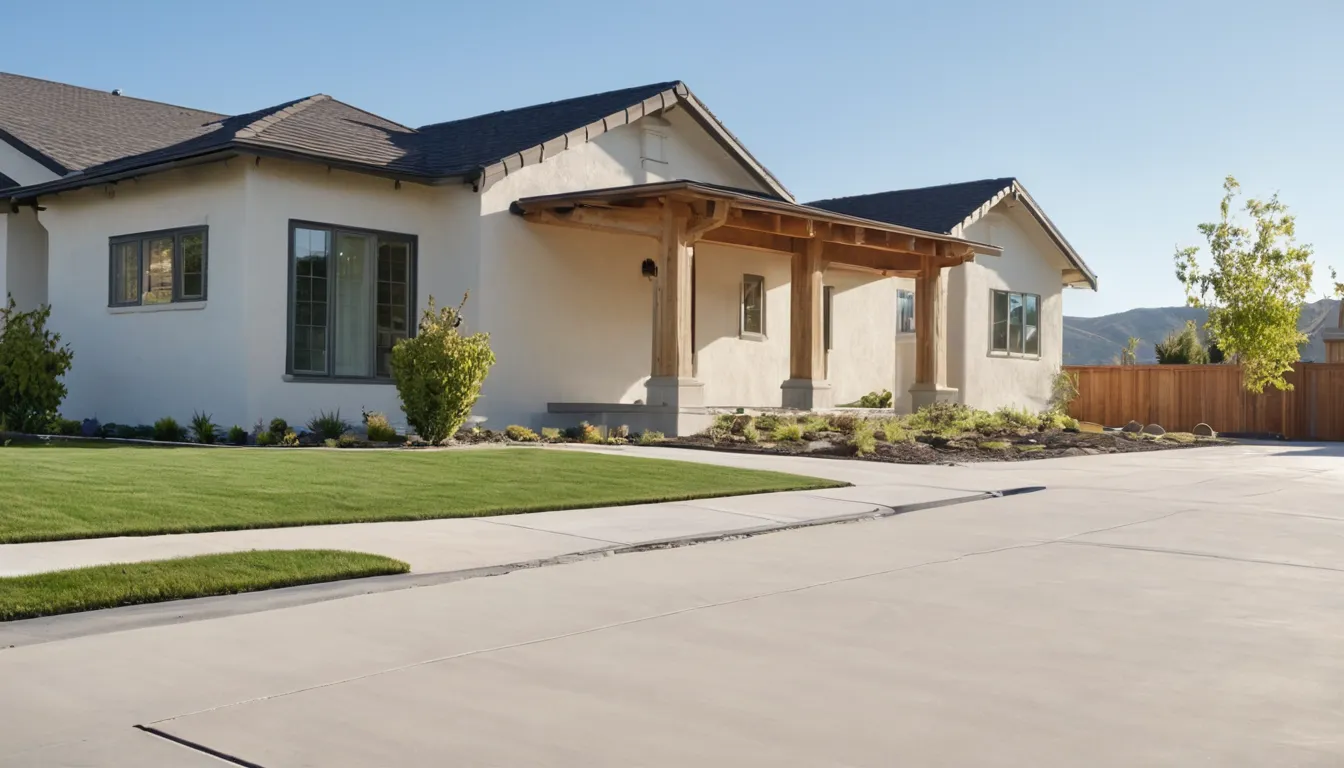
Is your old driveway cracked, sunken or flaking? You are not alone. Many homes in the Menifee area have slabs that have been through decades of sun, winter rain and settling soil. A new concrete driveway can fix the look, the drainage and the daily headache of a broken surface.
Igtvgroup Concrete is a referral service. We do not pour concrete. We connect you with independent local providers in our network who do. This page helps you spot the signs, plan around the weather and ask smart questions, so your first conversation with a provider feels easy and clear.
Take a walk to the curb. Do you see cracks that branch like a map, corners that have sunk, or puddles that sit after rain? Those are the things that bring most homeowners to this page. Let's sort out the answer together.
If the slab is failing, timing matters. Plan around the weather and your new concrete gets the calm days it needs.
Concrete driveway repair works for small, stable problems. A few hairline cracks or a chipped edge can often be sealed or patched.
A new driveway makes more sense when the damage is wide. Think of slabs that rock underfoot, cracks you can slide a coin into, or a surface that peels away in flakes. Patching a worn-out slab is a bit like painting over rust.
Cracks close to the garage or the home's own slab can have another cause, like soil movement. A driveway provider can look at the surface and tell you what they see. Foundation repair experts are a different kind of pro, so ask whether anything looks like it goes beyond the driveway.
This is the big seasonal question. Long dry stretches are a friend to concrete. Forms stay dry, the base stays firm and curing is steady.
Winter rain events are trickier. Rain on fresh concrete can pit the surface and weaken it. Soggy ground also makes a poor base. Many homeowners book ahead for the dry months so a spot is waiting.
Smoke days from wildfires deserve a thought too. Work may slow when the air is poor, so leave some wiggle room in your schedule.
Near the coast, mild air helps concrete cure slowly and evenly. Hot inland spells do the opposite. Providers may pour early in the morning and cover the slab to hold moisture in.
Ask for the full list in writing. A typical job covers:
Good concrete flatwork starts below the surface. A well-compacted base matters as much as the mix itself.
Think about every car that parks there, not just yours. A one-car drive is often 10 to 12 feet wide. A two-car drive is often 20 to 24 feet. Leave room to open doors and walk beside the car.
For thickness, many home driveways are about 4 inches. If you park a truck, an RV or a delivery van, providers often suggest 5 to 6 inches. Ask which one fits how you really use the space.
A broom finish gives grip when the surface is wet, which suits rainy winters. Exposed aggregate has a textured look and hides dirt well. Light coloring can blend with stucco walls and classic tract-home styles. On a slope, skip anything slick.
Often, yes, at least in part. Some cities ask for a permit when the size of the driveway or the curb cut changes. Others are relaxed about a swap on the same footprint. Check with your city office, and ask the provider who handles the paperwork.
The apron is the sloped piece where your driveway meets the street. It usually sits in the public right of way, so the city may set its own rules. Ask whether it is in your quote and whether an inspection is needed.
Think of yourself as the coach on the sideline. Your job is to ask good questions. Ask before you pour.
A good answer is specific. It sounds like: four inches of compacted base, steel reinforcement and joints cut at set spacing. A vague "it will be fine" is not enough.
Get it in writing, every time.
Keep cars off for about a week and feet off for a day or two, unless the provider says otherwise. In hot, dry weather, ask whether light watering helps the cure. Sealing often comes after the slab has cured for a few weeks. Point sprinklers away from the edges.
Request a callback to check provider availability for the season you have in mind.
Providers break out the cracked concrete and haul it away so the new driveway starts clean.
Soil is shaped and gravel is packed down so water drains away from your home.
Edges are set and steel or mesh is placed to help the slab resist cracking.
Concrete is placed, smoothed, textured and protected while it hardens.
These are typical U.S. ranges. Your price depends on size, access, soil and finish, so ask each provider for a written quote.
| Item | Typical range | Notes |
|---|---|---|
| Standard broom-finish driveway | $6 – $12 per sq ft | Most common choice for homes |
| Two-car driveway, complete | $3,500 – $8,000 | Depends on size and thickness |
| Old slab removal and haul-away | $1 – $3 per sq ft | Thicker slabs cost more |
| Gravel base and grading | $1 – $3 per sq ft | Poor soil may need extra work |
| Exposed aggregate or color upgrade | $3 – $8 more per sq ft | Added on top of base price |
| Permit and inspection fees | $50 – $500 | Varies by city and project |
Tell us the size, the condition of the old slab and when you hope to start.
Independent local providers in our network review your details and reach out.
Check scope, base, thickness, finish and timing side by side before choosing.
Agree on a start window and a backup plan for rain or smoky air.
Simple guides help you know what to ask and what to look for before anyone pours.
You are matched with local providers in our network who do the actual work.
Dry spells, winter rain and smoky days all shape when a pour makes sense for you.
Ask questions and compare options with no obligation to move forward.
Planning a new driveway or patio? Request a callback to check provider availability, or send a request and tell us about your project. No obligation.
No obligationA well-built concrete driveway can serve a home for decades. Lifespan depends on the base, thickness, reinforcement, drainage and weather. Ask providers how they prepare the ground, since that step affects durability the most.
Many providers ask you to stay off with cars for about a week and with feet for a day or two. Heavier vehicles may need longer. Follow your provider's advice, especially in cool or damp weather.
Small, stable cracks can often be sealed or patched. Wide cracks, sunken sections or a flaking surface usually point to replacement. A local provider can look at the slab and explain which option fits your situation.
Planning a new driveway or patio? Request a callback to check provider availability, or send a request and tell us about your project. No obligation.
No obligation