Need concrete patios in Menifee?
Planning a new driveway or patio? Request a callback to check provider availability, or send a request and tell us about your project. No obligation.
No obligation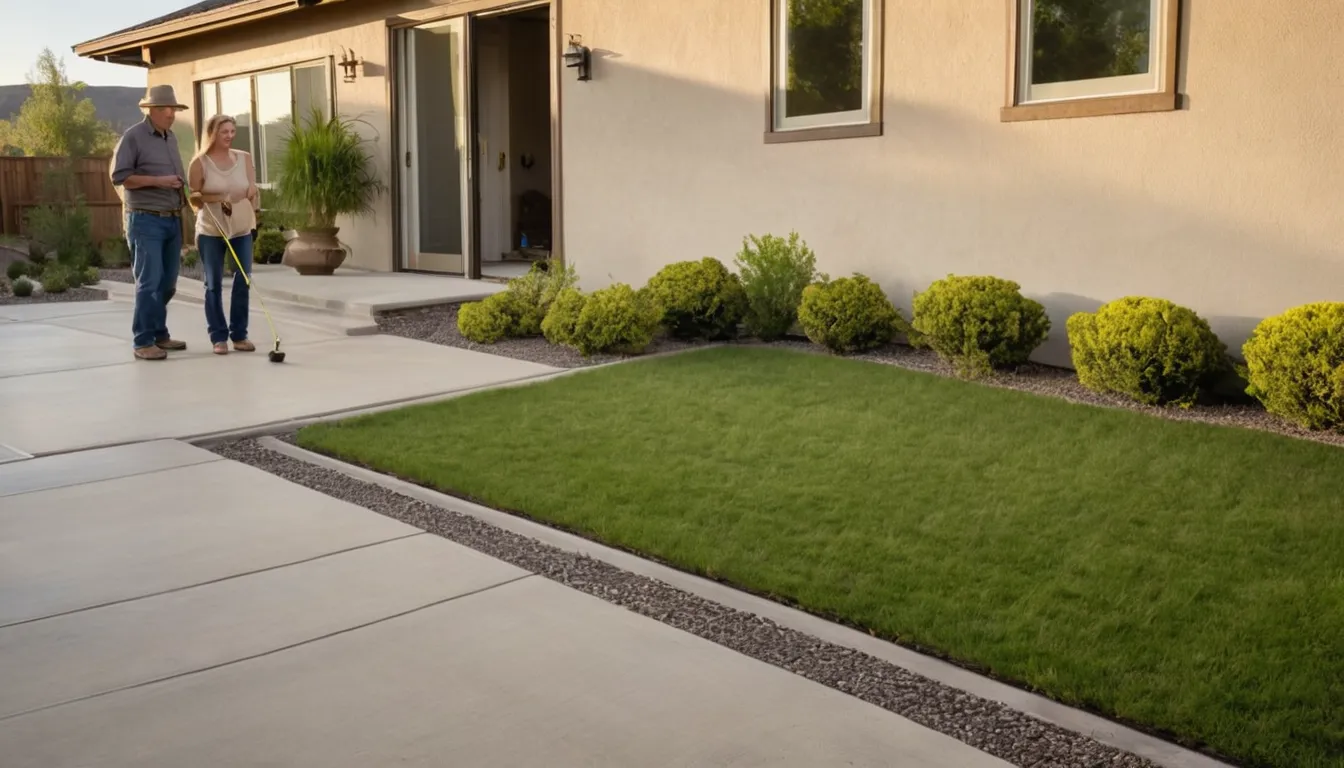
A new patio can turn a bare yard into the spot where your family eats, relaxes and hosts friends. Concrete is a popular choice because it is sturdy, flexible in design and suits many home styles, from stucco ranch homes to older bungalows.
Igtvgroup Concrete is a referral service. We do not pour concrete. We connect homeowners in the Menifee area with independent providers in our network who handle the layout, base, pour and finish. This page helps you get ready for that first conversation, with simple tips on timing, size, finishes, drainage and what to ask before you sign anything.
You may be asking, "Is now a good time to pour?" Often, yes. Long dry stretches give concrete a steady, even cure. Winter rain events can push a pour back, so providers tend to fill their calendars once the skies clear. Plan around the weather and start the conversation early.
Fresh concrete is picky. A hard rain can pit the surface. Hot, dry wind can pull moisture out too fast and cause thin cracks. Mild coastal air is gentler, because a slow cure builds a tougher slab. A careful provider watches the forecast and may shade, mist or cover the new surface.
Wildfire smoke is mostly a comfort and safety question for crews. Ash can also settle on a wet surface. Ask the provider how they handle a smoky forecast and whether the pour date can slide a day or two.
People like how long it lasts and how little upkeep it needs. You can sweep it, rinse it and enjoy it. It also fits the look of many tract homes and stucco ranch homes, and it can be shaped to match almost any yard. Good concrete flatwork starts with good prep, which is why the questions below matter.
Expect a few clear stages:
Ask the provider to walk you through each stage in plain words.
Start with your furniture. A small bistro set can fit on a 10 by 10 pad. A dining table plus a lounge area often needs something closer to 12 by 20. Lay your chairs and table on the lawn, then mark the edges with chalk. Walk around it. If it feels tight, go bigger now, because adding on later rarely matches.
The surface changes how the patio feels and how it handles rain. Common choices:
Pick grip first, style second.
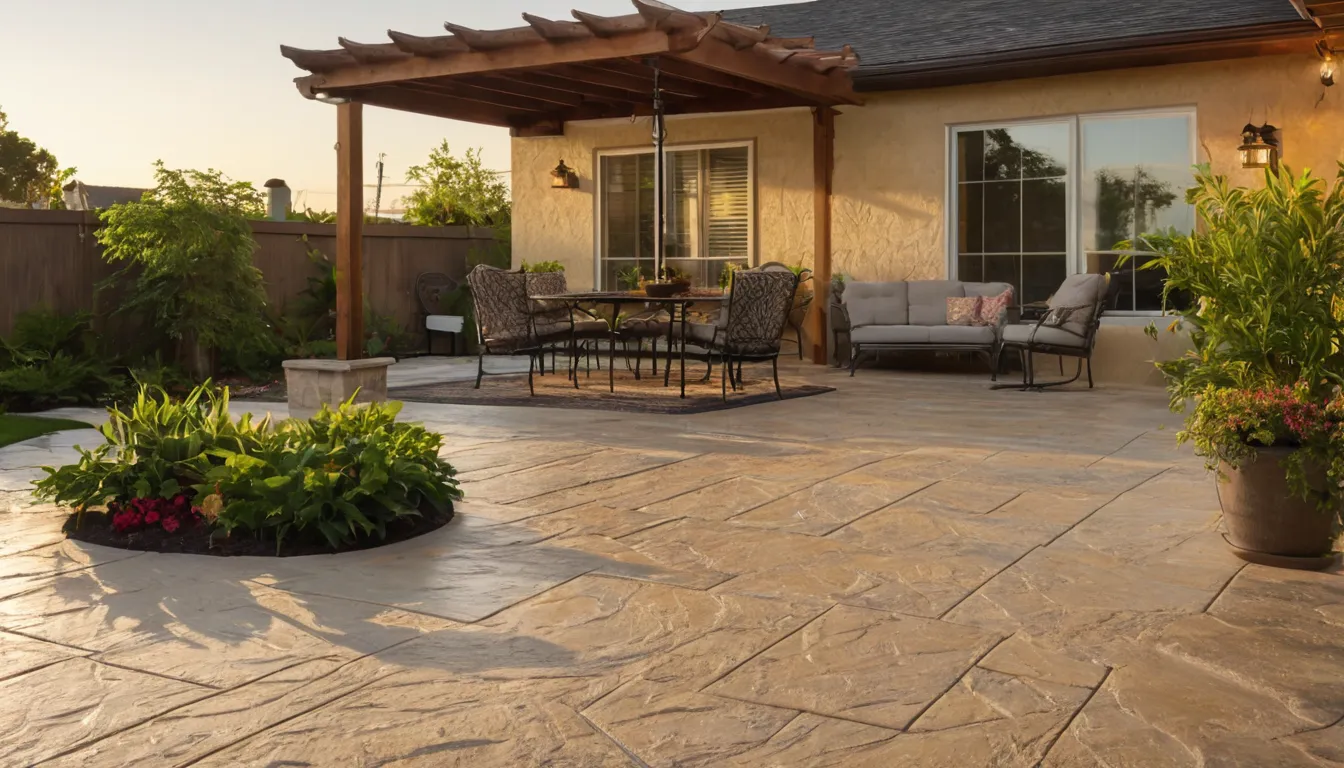
Stamped concrete patios use patterns and color to echo stone, brick or wood. They can look rich next to a stucco wall. They also need sealing every few years to hold their color. Ask to see photos of finished work in similar light and weather.
Water is the quiet troublemaker. A patio should slope gently away from the house, usually about a quarter inch per foot. In a place with winter rain events, pooling water can stain the slab and soak the soil near your walls. Ask where the water will run and whether a drain or gravel strip makes sense.
If doors stick, walls show cracks or the ground near your slab has sunk, talk to foundation repair experts before you pour anything new. A patio cannot fix a shifting house. Also note that this page covers new work. Concrete driveway repair is a different kind of project.
Ask before you pour. A few good questions will tell you a lot about how a provider works.
If something feels rushed, slow down and compare another provider.
Get it in writing. A solid quote lists the size, thickness, base, finish, sealer, drainage work, start window and payment steps. Ask what happens if rain delays the pour. Check whether permits or inspections apply where you live, and who handles them. Independent providers set their own terms, so read each one carefully.
Be patient at first. Keep foot traffic off for the first few days and wait longer before setting heavy furniture or grills on it. Ask your provider for the exact timing. Once cured, sweep often, rinse spills and reseal when the surface looks dull. Sealed concrete shrugs off dust and winter moisture more easily.
You now know what to ask and what to look for. Request a callback to check provider availability in your area, or send a request and compare options at your own pace.
Providers mark the shape, check the slope and clear the area so the slab starts on solid ground.
A compacted base and sturdy forms help the slab stay level and hold its shape over time.
The concrete is placed, leveled and finished with the texture or color you choose.
Control joints guide cracks, and a slow cure helps the new patio gain strength.
Prices vary by size, site access, finish and local labor. These are typical U.S. ranges only. Ask each provider for a written quote that lists exactly what is included before you decide.
| Item | Typical range | Notes |
|---|---|---|
| Basic broom-finish slab | $6 – $12 per sq ft | Simple shape, standard thickness |
| Stamped concrete patio | $12 – $22 per sq ft | Pattern and color raise the price |
| Exposed aggregate finish | $8 – $18 per sq ft | Needs careful timing during the pour |
| Excavation and gravel base | $1 – $4 per sq ft | Depends on soil and access |
| Integral color or stain | $1 – $5 per sq ft | Added to the base slab price |
| Sealer and drainage details | $1 – $4 per sq ft | Varies with slope and drain needs |
Tell us the patio size, finish ideas and timing you have in mind, even if they are rough.
We connect your project with independent providers in our network who serve your area.
Review each provider's scope, finish, drainage plan and start window side by side.
Pick the provider you trust and agree on a pour window that fits the weather.
Dry stretches, winter rain and smoke days all shape when a patio pour makes sense.
Independent providers in our network know regional soils, homes and seasonal patterns.
We help you ask about base prep, drainage and finishes so you can compare providers with confidence.
Requesting an estimate carries no obligation, so you can decide on your own schedule.
Planning a new driveway or patio? Request a callback to check provider availability, or send a request and tell us about your project. No obligation.
No obligationMany patios take a few days of work, from prep to pour and finishing. Curing takes longer. Larger or stamped projects can take more time, and weather can shift the schedule, so ask the provider for a window.
Light foot traffic is often okay after a few days. Heavy furniture and grills usually need to wait longer. Ask your provider for exact timing, because it depends on the mix and the weather.
It depends on your city, patio size and whether it attaches to the house. Ask the provider and your local building office what applies, and who will handle the paperwork.
Planning a new driveway or patio? Request a callback to check provider availability, or send a request and tell us about your project. No obligation.
No obligation